

Advanced Capabilities & Certification of Tactical UAV Systems
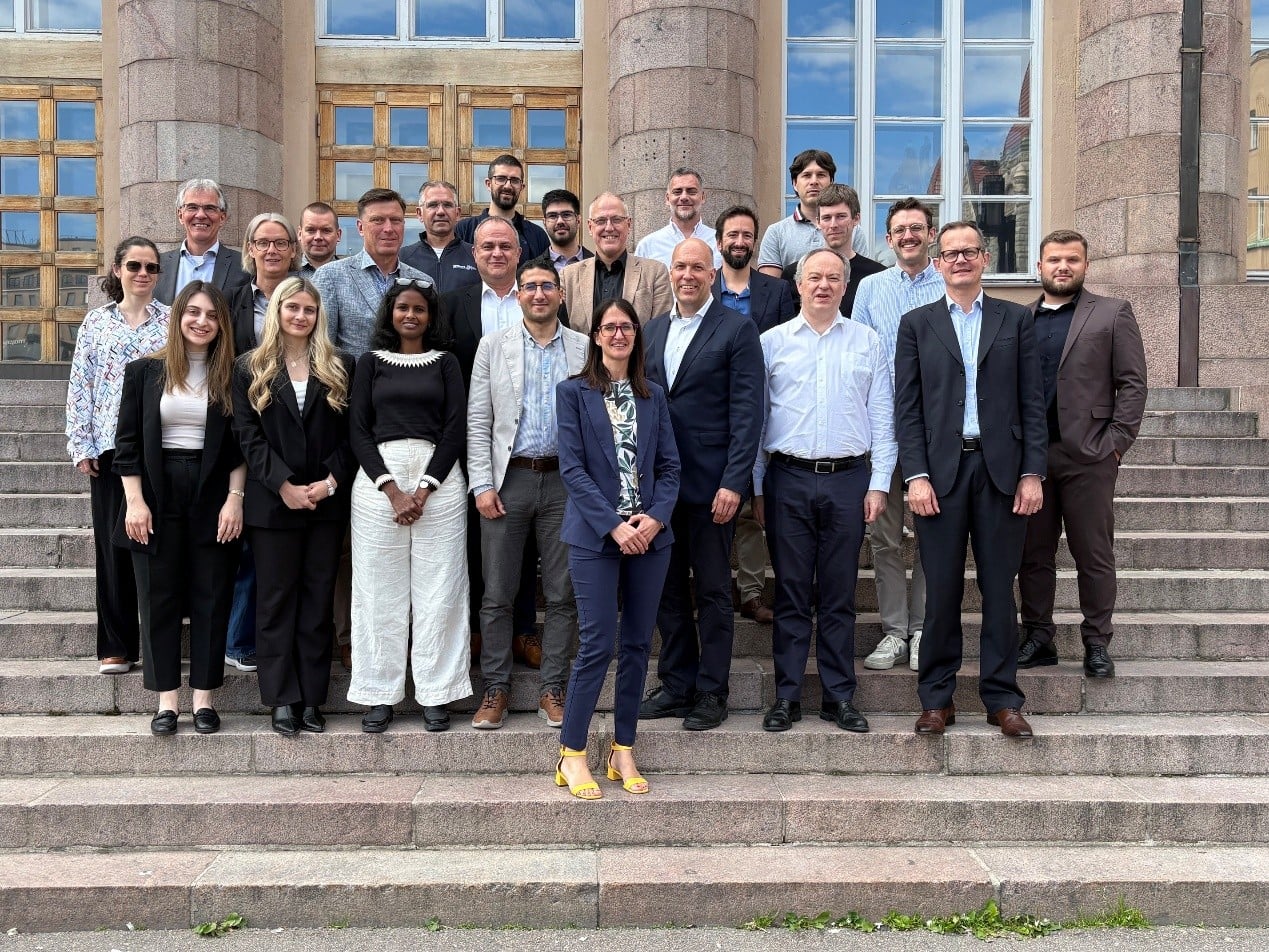
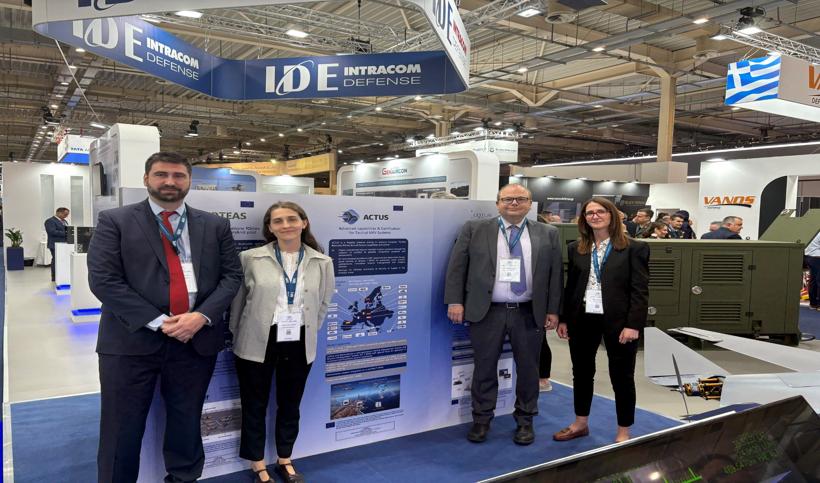
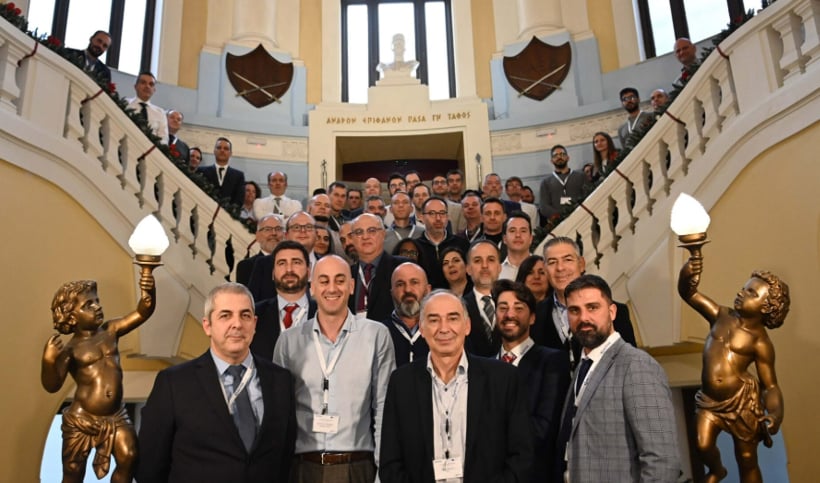
Latest News
Stay updated on the latest developments in the ACTUS project as it advances the next generation of Tactical Remotely Piloted Aircraft Systems (T-RPAS). Over its 48-month timeline, ACTUS will progress through six parallel phases, each contributing to enhanced safety, resilience, and mission capability.
This section will provide insights into key milestones, breakthroughs, and achievements as ACTUS shapes the future of European tactical RPAS technology.
Advanced Capabilities & Certification of Tactical UAV Systems
Advancing Tactical RPAS Systems for European Defence
Tactical remote piloted aerial systems (RPAS) are engaged at the heart of the battlefield where their polyvalence and robustness make them cost-efficient assets to operate in high intensity conflicts and a broad spectrum of operational missions. ACTUS answers to these new challenges providing a maturity step towards higher design level, major increase of safety of flight, improved resilience against harsh operating conditions and weapon integration using safe design standards. It will constitute a significant step in the technological evolution of European tactical RPAS systems.
The ACTUS project is a European Defence Fund initiative focused on developing, certifying, and demonstrating next-generation Tactical Remotely Piloted Aircraft Systems (T-RPAS). With increasing demands for autonomy, survivability, and interoperability, ACTUS directly addresses challenges faced by military UAV operations in contested environments.
The project is supported by seven European Ministries of Defence, ensuring its alignment with European security needs and strengthening the continent’s sovereignty.
Leveraging leading EU T-RPAS
- Patroller, developed by Safran, already certified T-RPAS
- LOTUS (Low Observable Tactical Unmanned air System), T-RPAS developed within the LOTUS project, awarded under the EDIDP-ISR-T-RPAS-2019 topic
ACTUS will significantly enhance UAVs’ ability to operate autonomously in contested environments, independently from ground-based control and GNSS support. The integration of AI-powered mission management and advanced cybersecurity protection will enable real-time situation awareness and decision-making.
With the introduction of low-observable designs, ice protection systems, and electronic countermeasures, ACTUS ensures that T-RPAS can survive and complete missions even in the most challenging operational scenarios.
Engaged at the heart of the battlefield in high-intensity scenarios, reconnaissance, surveillance and target acquisition missions, as well as weapons delivery will be supported. ACTUS proposes State-of-The Art weapon integration on a certified T-RPAS.
The ACTUS UAV System will possess the ability to integrate with existing NATO and EU defence infrastructures, supporting secure communications, encrypted data sharing, and networked mission coordination across multiple platforms.
Airworthiness certification for military T-RPASs will ensure safe operation in civilian airspace during peacetime and training.
The ACTUS project will run for 48 months, starting from December 1st 2024, and consists of 6 phases running in parallel
Phase 1
Study Phase
9 months
Focuses on defining user and system requirements, operational concepts, and qualification strategies.
Phase 2
Design Phase
24 months
Covers the detailed design of vehicle and mission management systems, airframe modifications, and system architectures.
Phase 3
Prototyping Phase
25 months
Involves manufacturing and assembling prototypes of T-RPAS and key technology blocks.
Phase 4
Testing Phase
28 months
Includes flight and ground tests to validate the systems, performance assessments, and cybersecurity evaluations.
Phase 5
Qualification Phase
28 months
Ensures that all systems meet the necessary performance, safety, and military standards.
Phase 6
Certification Phase
48 months
Completes the regulatory and military certification of the LOTUS system, engine, airborne components, and weapon integration.